
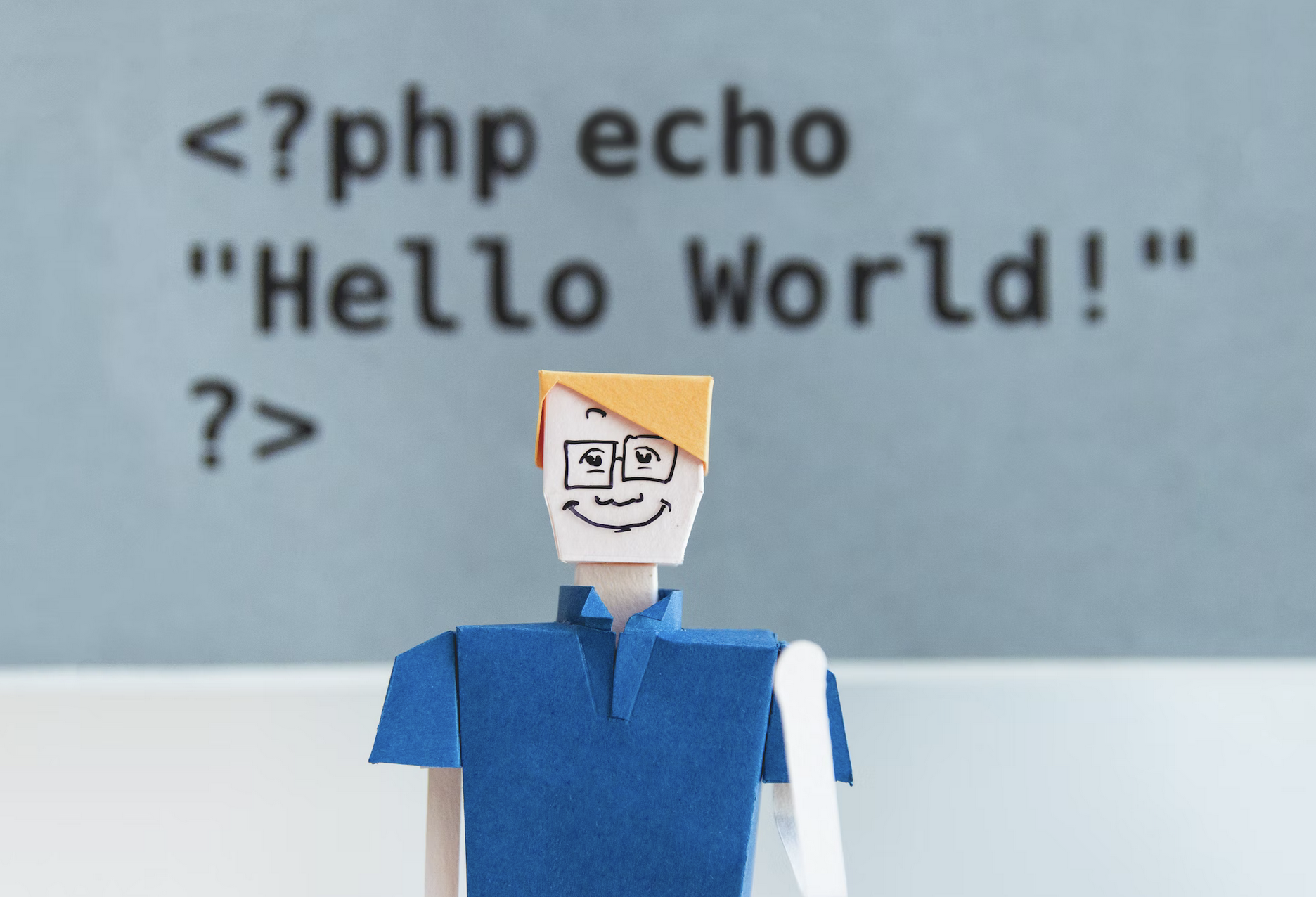
Hello World is a simple program that outputs the text “Hello, World!” on a computer screen. It is often used as a first program to write when learning a new programming language, as it can help you understand the basic syntax and structure of the language. Here is how to print “Hello, World!” in 10 different programming languages:
- Python:
print("Hello, World!")- Java:
public class HelloWorld {
    public static void main(String[] args) {
        System.out.println("Hello, World!");
    }
}- C:
#include <stdio.h>

int main() {
    printf("Hello, World!");
    return 0;
}- C++:
#include <iostream>

int main() {
    std::cout << "Hello, World!" << std::endl;
    return 0;
}- C#:
using System;

public class HelloWorld
{
    public static void Main()
    {
        Console.WriteLine("Hello, World!");
    }
}- Ruby:
puts "Hello, World!"- PHP:
<?php
echo "Hello, World!";
?>- Swift:
print("Hello, World!")- Kotlin:
fun main(args: Array<String>) {
    println("Hello, World!")
}- Go:
package main

import "fmt"

func main() {
    fmt.Println("Hello, World!")
}
These are just a few examples of how to print “Hello, World!” in different programming languages. There are many other languages out there, and the specific syntax for printing a message to the screen will vary from language to language. However, the basic concept of printing a message is the same across all programming languages, and the examples above should give you a good starting point for writing your own “Hello, World!” program.
Leave a Reply